
Lager vs Pale Ale vs XPA vs IPA: What's the Difference?
The same familiar building blocks can make very different beers. Here's what those style names on the tap actually mean.
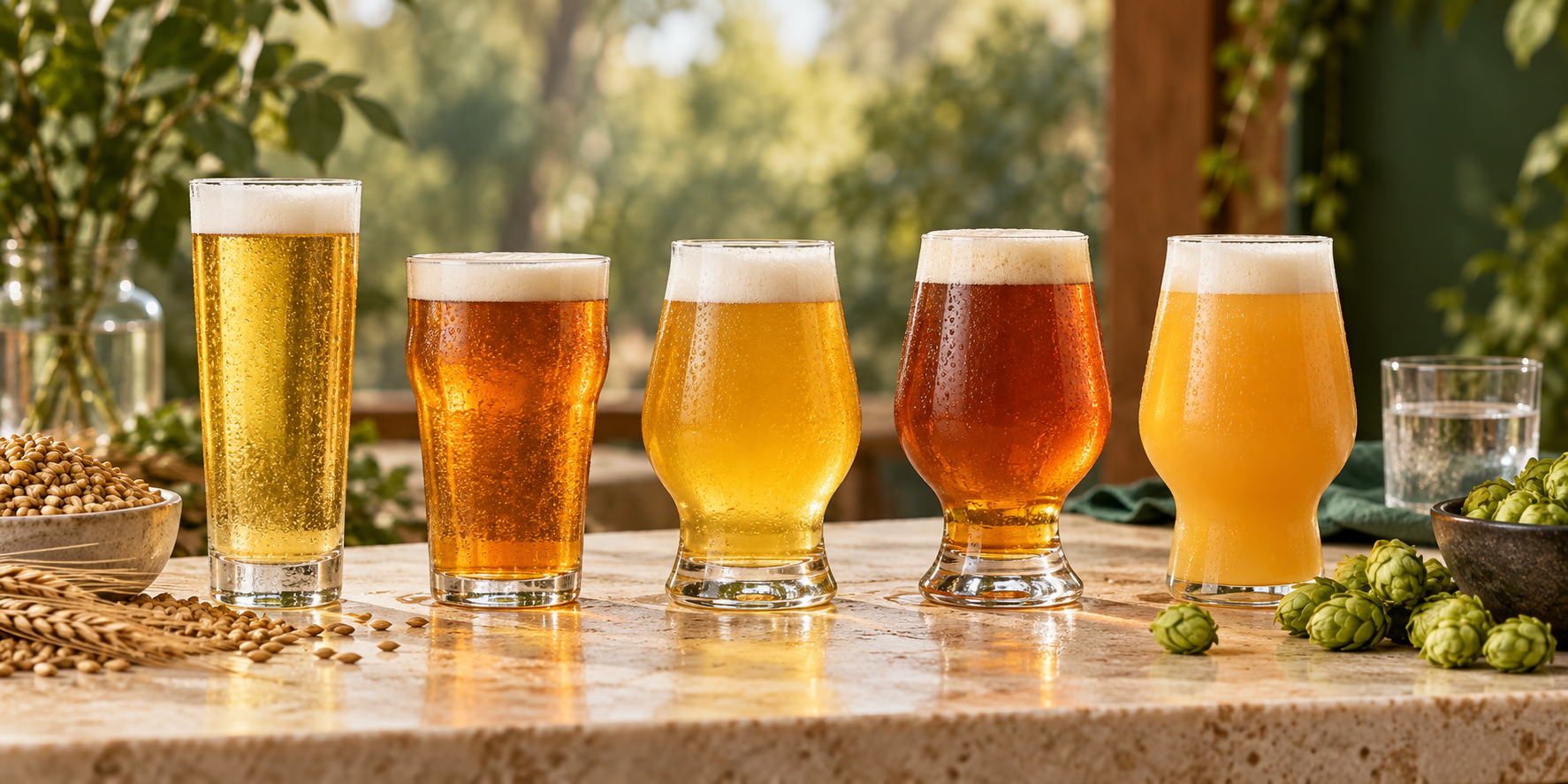
Why does one beer look like sparkling gold, another smell like passionfruit, and a third arrive looking more like cloudy orange juice?
They're all beer. Many beers begin with four familiar ingredients: water, malted grain, hops and yeast. Brewers may also use other grains, sugars, fruit, spices or other ingredients, and the choices they make can produce very different beers.
Walk into almost any Australian pub with a decent craft beer selection and you'll see names like Lager, Pale Ale, XPA, IPA and Hazy IPA.
If you've ever wondered what separates them, you're certainly not alone.
And while beer enthusiasts can spend hours debating styles, you don't need to know much about brewing to understand the differences.
The Difference in 30 Seconds
Here's a quick guide before we get into the details.
| Beer style | What it's usually like | The main difference |
|---|---|---|
| Lager | Crisp, clean and refreshing | Traditionally fermented cooler with lager yeast |
| Pale Ale | A broad ale family with varied malt and hop balance | Often features more noticeable hop character than a familiar pale lager |
| XPA | Often pale, aromatic and refreshing | “Extra Pale Ale”; the term has no single universally agreed definition |
| IPA | Often bold and hop-forward; bitterness varies | A broad family of beers with many interpretations |
| Hazy IPA | Often cloudy, fruit-forward and soft | An IPA style commonly associated with haze and a fuller mouthfeel |
There's plenty of overlap between styles. In particular, XPA doesn't have one universally agreed definition.
And no, IPA doesn't automatically mean the strongest or most bitter beer at the bar.
Four Familiar Ingredients, Many Possibilities
Most beer begins with water, malted grain, hops and yeast.
Malt provides fermentable sugars that yeast can convert into alcohol. It also contributes colour, body and flavours ranging from fresh bread and biscuits to caramel and roasted coffee.
Hops add bitterness, aroma and flavour. They're responsible for many of the citrus, floral, pine and tropical fruit notes found in modern craft beer.
Yeast drives fermentation. Different yeast strains and fermentation conditions produce different flavours.
Water makes up most of the finished beer, and its mineral composition influences the brewing process and flavour balance.
The brewer decides how to bring those elements together.
A change in hops, malt, yeast or fermentation temperature can make two beers with similar ingredients taste remarkably different.
Lager: The Crisp, Clean Classic
Let's start with the beer most Australians are familiar with.
Lager.
From the familiar golden beers served in pubs to richer European styles, lager is one of the world's major beer families.
Lagers are typically fermented using lager yeast at cooler temperatures than most ales. That often produces a cleaner flavour profile, although the style itself is incredibly diverse.
A familiar pale lager is generally crisp, refreshing and relatively restrained in hop aroma.
But don't confuse the word lager with light beer.
Dark lagers exist. So do strong lagers. Some are rich and malty, while others are dry and delicate.
Lager describes a family of beers, not a fixed level of alcohol or flavour.
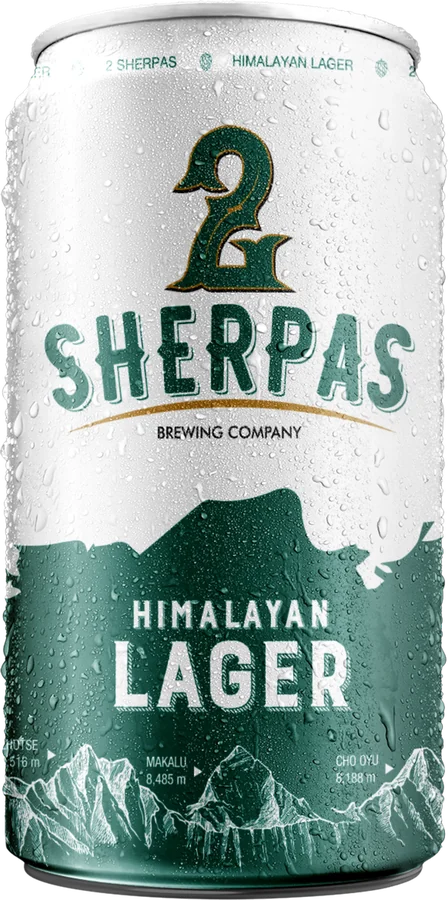
For example, Himalayan Lager from 2 Sherpas, at 4.5% ABV, is a crisp lager with subtle malt sweetness and a clean finish.
It's the sort of beer that shows why simplicity, when done well, doesn't have to mean a lack of character.
Pale Ale: When Hops Take Centre Stage
If lager is known for its clean character, pale ale often introduces a more noticeable hop presence.
Pale ales belong to the ale family, generally fermented with ale yeast at warmer temperatures than traditional lagers.
The style has a long history, but modern Australian pale ales often feature bright hop aromas that remind people of citrus, flowers, pine or tropical fruit.
Ever wondered why a beer smells like passionfruit when there's no passionfruit in the ingredients?
That's often the hops.
Different hop varieties naturally contain aromatic compounds that can produce fruit-like, floral and herbal notes.
And because brewers use different combinations, one pale ale might taste crisp and citrusy while another is maltier and more subdued.
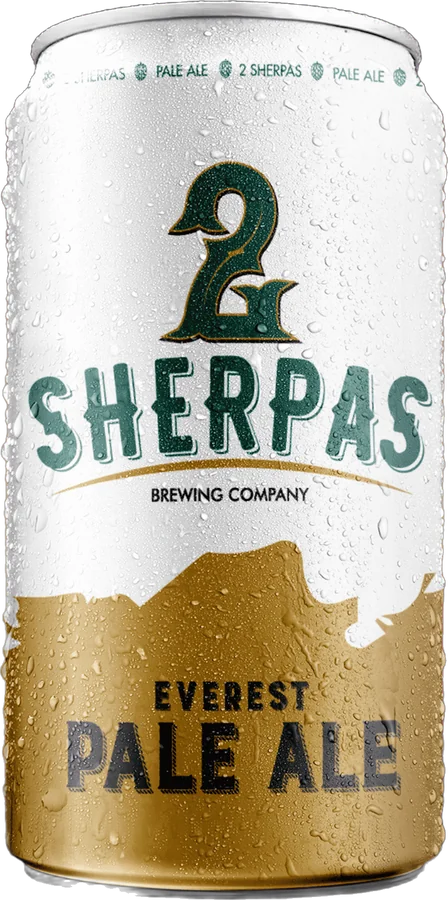
Our Everest Pale Ale is an example of the style, bringing noticeable hop character alongside a balanced finish.
For someone familiar with lager, pale ale provides a useful introduction to how much hops can influence a beer.
XPA: What Does the Extra Actually Mean?
This is one of the more confusing names in Australian craft beer.
XPA stands for Extra Pale Ale.
But extra what?
More hops? More flavour? More alcohol?
The answer depends on who's brewing it.
Unlike some more established styles, XPA doesn't have one universally accepted definition.
Australian brewers commonly use the term for pale, refreshing beers with expressive hop aromas and a relatively light malt character.
Some sit close to modern pale ales. Others move towards the hop intensity of an IPA.
And despite the name, XPA isn't automatically stronger or more bitter than pale ale.
Aromatic hops can create plenty of flavour without making beer aggressively bitter.
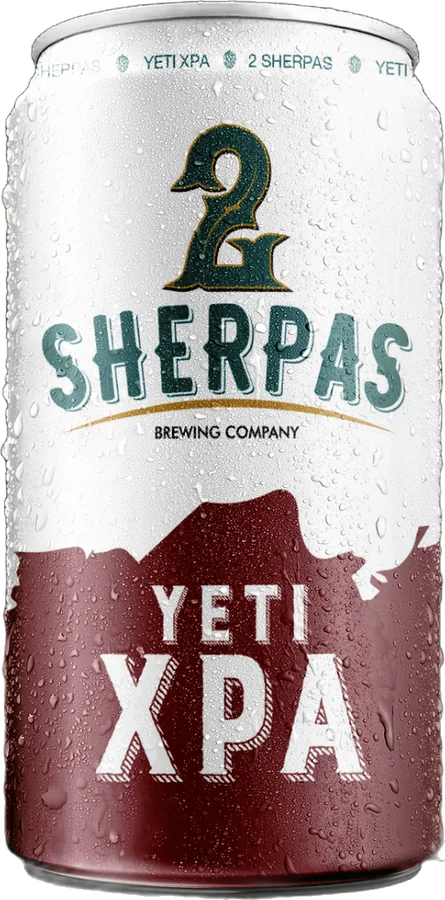
Yeti XPA from 2 Sherpas, at 4.7% ABV, is our Extra Pale Ale, bringing bright hop aromas and a refreshing character to the range.
The next time someone tells you an XPA is simply a weaker IPA, you'll know the answer isn't quite that straightforward.
IPA: Three Letters with a Long History
IPA is commonly expanded as India Pale Ale. The name is associated with pale ales exported from Britain to India from the late 18th century. The history is more nuanced than the popular claim that IPA was invented specifically for that voyage or had to be unusually strong to survive it.
Modern IPA has travelled a long way from those origins.
Today, IPA is generally associated with a pronounced hop character, but the style has developed into several distinct interpretations.
A West Coast IPA, for example, is often relatively clear, dry and assertively bitter, with aromas of citrus, pine or resin.
Other versions focus more on tropical fruit aromas, a softer mouthfeel or a different balance between malt and hops.
One thing worth remembering is that IPA doesn't automatically mean extremely bitter.
Some IPAs are intensely bitter. Others emphasise aroma and flavour without the same sharp edge.
And that leads to one of the most recognisable modern versions.
Hazy IPA: Why Does It Look Like Orange Juice?
Order a hazy IPA for the first time and you might wonder whether someone forgot to filter it.
Instead of a clear golden beer, you get something cloudy, sometimes almost opaque.
It's intentional.
Hazy IPAs often use brewing techniques and ingredients that create a distinctive appearance, alongside a softer, fuller mouthfeel.
Proteins from grains such as oats and wheat, hop-derived compounds, yeast and other suspended particles can all contribute to haze.
The style is often associated with tropical fruit and citrus aromas.
You'll frequently hear the word juicy.
That doesn't necessarily mean the beer contains fruit juice. The character usually comes from hops, fermentation or both.
Hazy IPAs can contain substantial quantities of hops, but many are designed to have less sharply perceived bitterness than traditional West Coast IPAs.
And despite their soft character, some can be relatively high in alcohol, so it's always worth checking the ABV.
Rock Jock: A Himalayan Twist at GABS 2025
Our Rock Jock Hazy IPA has an interesting history.
In 2025, we brewed a special version with Himalayan Rock Salt that was selected for the Great Australian Beer SpecTAPular (GABS). It was an opportunity to bring a distinctive ingredient associated with the Himalayas into Australia's craft beer scene.
Rock Jock has had two expressions: the salt-brewed GABS 2025 version and the current Australian release, which has no added Himalayan Rock Salt.
The current Australian release, Rock Jock Hazy IPA at 6.5% ABV, contains no added Himalayan Rock Salt and is available in cans and kegs.
It's a reminder that craft brewing is also about experimentation, and that a beer can develop different expressions over time.
Is IPA More Bitter Than Pale Ale?
Often, but not always.
A traditional IPA will generally have a more pronounced hop presence than a typical pale ale.
However, bitterness depends on the individual recipe, not simply the name on the label.
One number you might see on beer packaging is IBU, short for International Bitterness Units. It is a laboratory measure related to bittering compounds, but it does not perfectly predict how bitter a beer will taste. Malt sweetness, alcohol, carbonation and mouthfeel all affect how bitterness is perceived.
That's why it's possible to enjoy a strongly hopped hazy IPA without experiencing the sharp bitterness associated with some traditional IPAs.
Does Higher ABV Mean More Flavour?
Not necessarily.
ABV means Alcohol by Volume. It tells you what percentage of a drink is alcohol.
It doesn't tell you how hoppy, bitter, sweet, dark or cloudy the beer will be.
A lower-alcohol beer can have plenty of flavour, while a higher-alcohol beer can feel surprisingly smooth.
Likewise, a darker beer isn't automatically stronger than a pale one.
Colour, strength and flavour are separate characteristics.
Understanding that makes choosing a beer a lot easier.
Frequently Asked Questions
Is XPA stronger than pale ale?
Not necessarily. XPA refers to Extra Pale Ale, but there's no universal alcohol-strength requirement. An XPA may have more noticeable hop aroma than some pale ales while containing similar or even less alcohol.
Is IPA always bitter?
No. Many traditional IPAs are known for bitterness, but modern variations, particularly some hazy IPAs, emphasise fruity hop flavours and a softer mouthfeel.
Why is hazy IPA cloudy?
Haze can come from proteins, hop compounds and other suspended particles. Brewers often use particular grains, hopping techniques and yeast strains to produce the style's characteristic appearance and texture.
Is lager weaker than ale?
No. Lager and ale are broad categories associated with different fermentation methods. Either can be brewed at a wide range of alcohol strengths.
What's a good beer style to try if you're new to craft beer?
That depends on what you already enjoy. If you prefer a clean, familiar flavour, a pale lager may be a comfortable starting point. If you enjoy citrus or fruity aromas, exploring pale ales and XPAs can help you understand the different flavours hops bring to beer.
The Next Time You're at the Bar
You don't need to memorise brewing terminology or become an expert in hops.
Knowing a few basics is enough.
Lager generally brings a cleaner character. Pale ale introduces more noticeable hop flavours. XPA often emphasises aroma and refreshment. IPA explores a bolder range of hop expressions, while hazy IPA adds its distinctive cloudy appearance and softer mouthfeel.
But here's the thing about beer styles.
They're guides, not guarantees.
Two breweries can make beers with the same style name that taste completely different.
And that's part of what keeps the Australian beer scene interesting.
The next time you're looking at a row of taps, you'll have a better idea of what those names mean.
The rest comes down to your own taste.
About 2 Sherpas Brewing Company
Inspired by the Himalayas and brewed in Australia, 2 Sherpas brings our Nepali heritage into Australia's independent beer scene.
Explore our range of Himalayan-inspired beers at www.2sherpas.com.au.
Enjoy responsibly. For adults aged 18 and over.